As early electric vehicles (EVs) accumulate higher mileage, the automotive sector is undergoing a significant transformation. EV batteries are proving to be more durable than initially expected, redefining the concept of maintenance and opening new opportunities for the aftermarket industry.
Many EVs now surpass 100,000 km while retaining around 90% of their original battery capacity. While this performance confirms the reliability of these systems, it does not eliminate the need for maintenance. Instead, attention is shifting to new areas such as thermal management, electronics, and high-voltage safety.
With the end of warranty periods and the release of newer models, more EVs are entering independent workshops. For aftermarket professionals, this presents a tangible opportunity—provided they are prepared to meet the technical demands of these vehicles.
Compared to internal combustion engines, EVs require a completely different skill set. Technicians must be capable of working on high-voltage systems, diagnosing battery degradation, and maintaining electronic and cooling components.
Digital diagnostics play a key role: sensors, control units, and software manage many of the vehicle’s critical functions. Having the right tools and up-to-date knowledge is now essential.
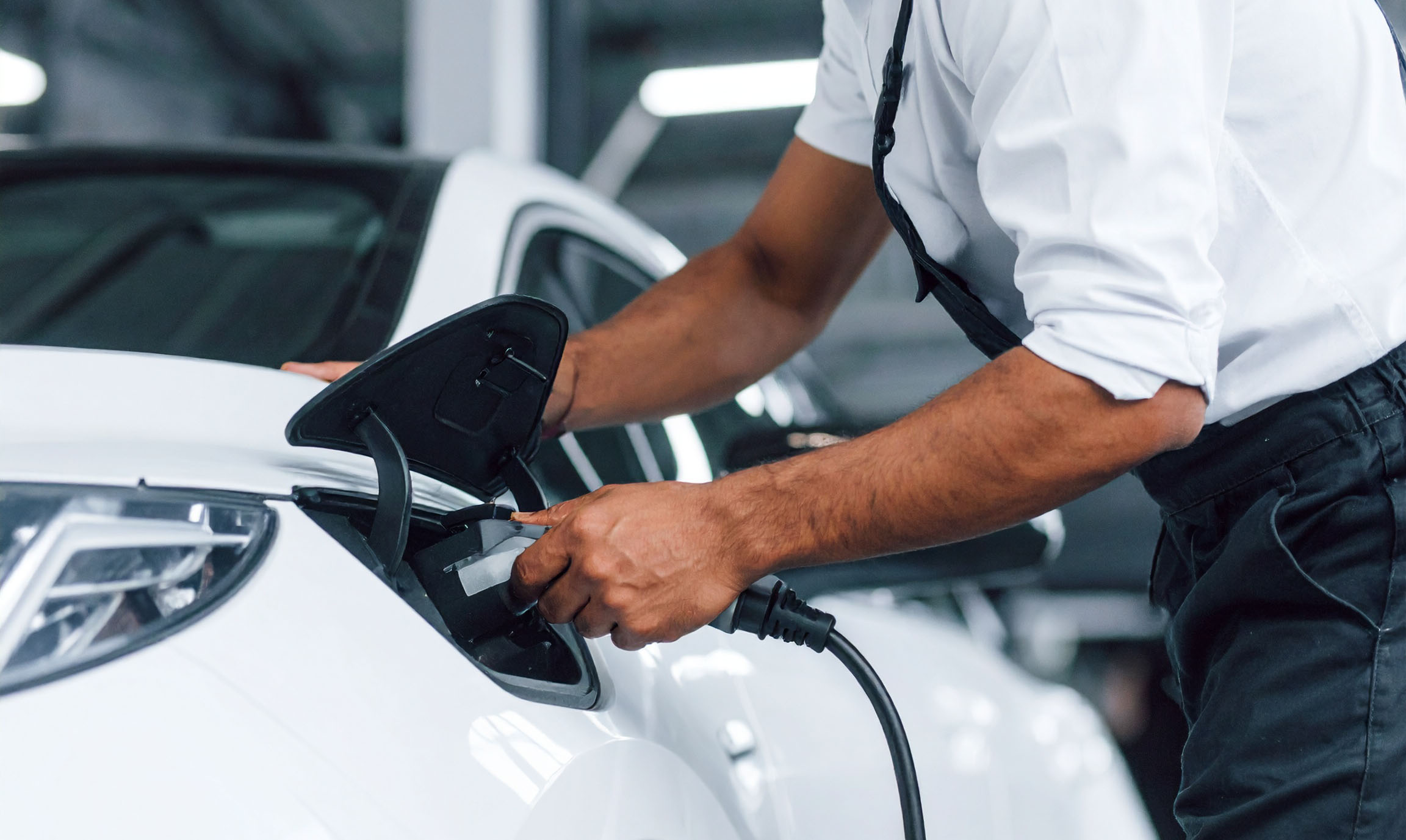
The most common EV repairs include:
Cooling systems: Crucial for battery stability, these require regular inspections and maintenance.
Brakes: Regenerative braking reduces wear, but may cause corrosion or uneven degradation.
Software and electronic components: Failures in control modules can significantly impact vehicle performance.
Even when no longer suitable for propulsion, EV batteries can be repurposed for stationary applications, such as energy storage. However, recycling remains a complex issue due to high costs and a lack of standardization across manufacturers.
Working on high-voltage vehicles requires new safety protocols. Protective equipment, specific training, and proper tools are essential to ensure technician safety—mistakes in this context can have serious consequences.
EV maintenance represents not only a technical evolution, but also a cultural shift. Those who invest today in training and equipment will be best positioned to meet growing demand and offer services that are competent, safe, and future-ready.
In a rapidly evolving market, being prepared is no longer optional—it’s a strategic imperative.